
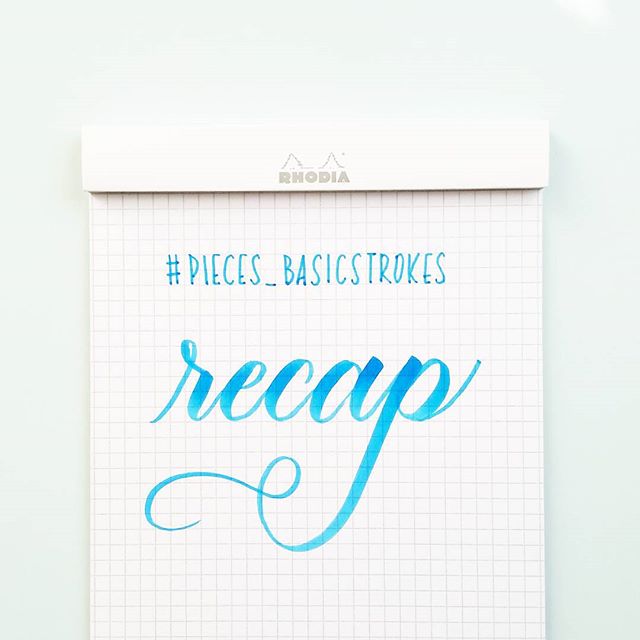
Happy Holidays! It has been lovely spending time with family and friends. I wish you all the same.
The past eight weeks, I have shared with you the basic strokes every brush calligrapher should know. From the entrance stroke to the full pressure stroke, you learned how to create each basic stroke, the letters they are each used in, and how to practice them.
But maybe you’re not yet convinced?
You’re not yet convinced that you should start with the basics. That learning brush calligraphy can’t be that hard. After all, a brush pen is just a marker with a flexible tip.
Well, after eight weeks of sharing what I know, filming myself teach, and also watching your progress, the answer is clear. Every brush calligrapher should master the basic strokes in the beginning.
And it doesn’t stop at the beginning! The basic strokes are always a great way for a brush calligrapher of any level to practice, warm-up, and refine skills.
Read on and get inspired to master the basics:
5 REASONS YOU SHOULD MASTER BASIC BRUSH CALLIGRAPHY STROKES
- You should ALWAYS start with the basics. Before you could run, you had to learn to walk. Before you could walk, you had to learn to crawl. Now you want to learn brush calligraphy – what better way to start than with the basics?
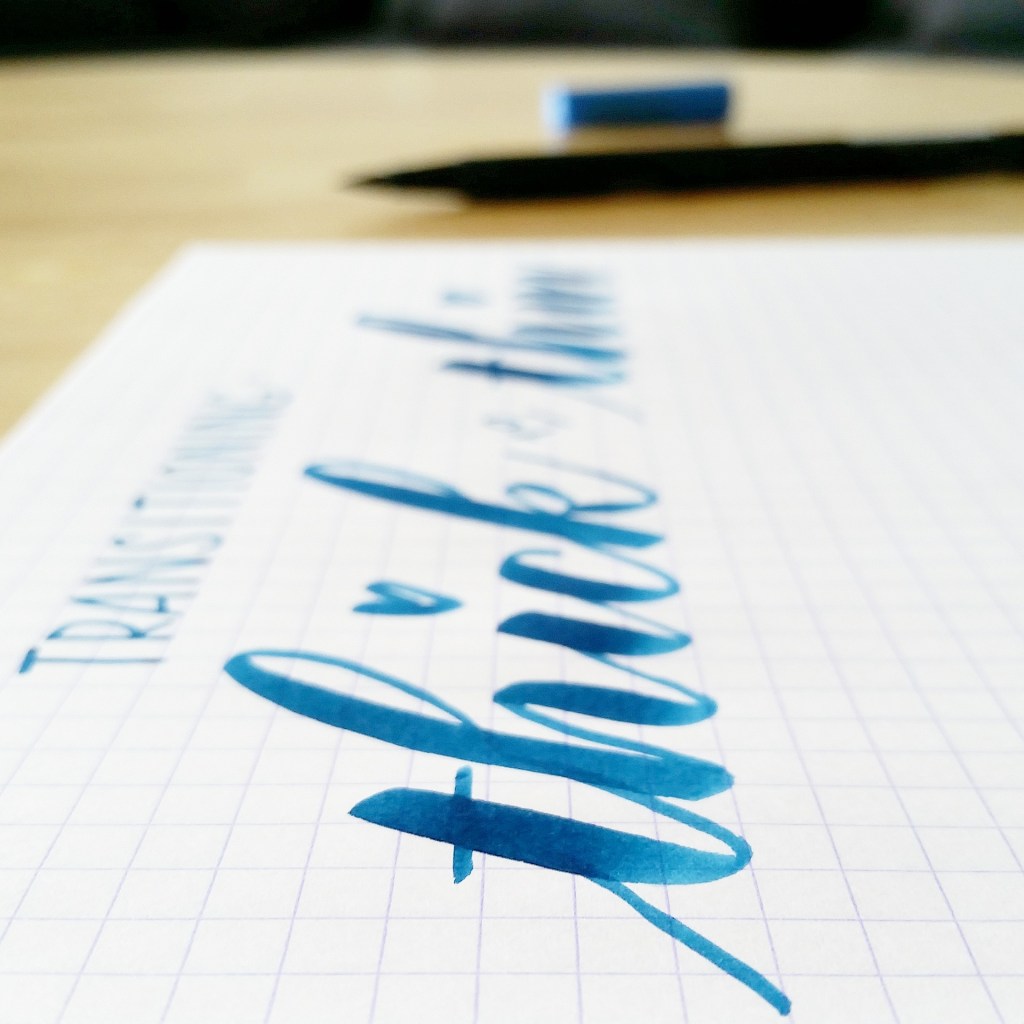
- Basic strokes allow you to build muscle memory. That muscle memory is essential for your brush calligraphy career. Learning a brush pen is not natural to everyone. It takes time to gain familiarity with the way a brush pen flexes and moves, let alone the dozens of types of brush pens there are that differ in nearly every way, shape, and size.Once you build your muscle memory to execute those thick and thin strokes with ease, you will have a solid foundation from which you can try nearly any style or pen and be able to pick up without much of a struggle.
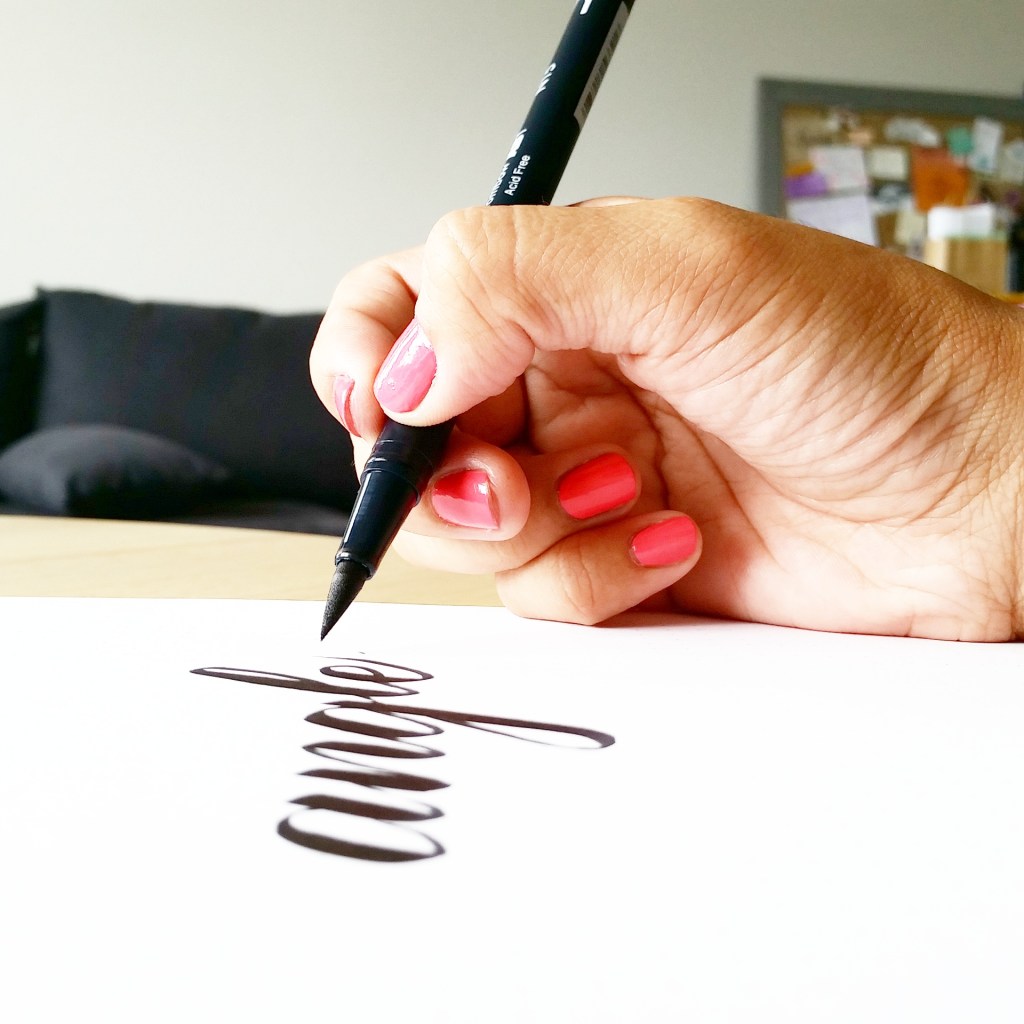
- Unlike cursive, or other types of handlettering, calligraphy is created with individual strokes. Learning to “lift” your pen after every stroke takes patience, discipline, and focus. It is tempting to rush and take shortcuts. But unless you were born with a brush pen in your hand, I can guarantee you will be better off in the long run if you train properly and practice deliberately. Being intentional with your writing can make the difference between a talented artist and a refined professional.
- Mastering basic strokes increases your consistency. It’s no secret: the basic strokes are pretty boring! They are simple, monotonous, and lacking in creativity.But that’s the perfect way to practice.When something can be broken down into parts, you can focus all of your efforts on that one thing and practice it over and over again. Just in a matter of seconds, you will identify the specific aspects of a stroke that need work. By zeroing in on a single stroke, you eliminate the “noise” that is other strokes, letters, and flourishes. This hyper focus allows you to build your consistency much more efficiently than simply writing letters and words that invite complication and various types of strokes onto your page.
- It’s better to break the rules after you’ve mastered them. If you were to try to cook without any instruction, you may very well miss out on key ingredients or steps that are crucial to a meal’s success. There is a reason why there are recipes and cooking lessons. You need to learn the rules of cooking, the basics for creating in the kitchen.Just as you can then tweak what you’ve learned, develop your own cooking preferences, and create your own unique recipes, you can take your brush calligraphy basics to find your own style and spice up your script.Be patient. Don’t let your eagerness and enthusiasm keep you from building a solid foundation. You will benefit in the long run and find greater success if you take the time to understand and master the basic strokes.
VIDEO: BASIC BRUSH CALLIGRAPHY STROKES, A RECAP
Watch this quick recap of my basic stroke series and take a look at what is to come!
Basic stroke guide
Download my free basic stroke guide by clicking here! The basic stroke guide is a great reference for all of the basic strokes I reviewed in this series. You will also find two sets of guidelines for practice (one for smaller brush pens, one for larger ones).
~ ~ ~
It’s your turn! Tell me in a comment below:
Did you follow my entire basic strokes series? Would you agree or disagree with my reasons above for learning basic strokes?
What is another reason to learn the basics that I may have missed in this post?
What is the hardest part about the basic strokes that you have found?
Are you sharing your work on Instagram? Be sure to share by tagging #pieces_basicstrokes!
~ ~ ~
CHEERS,
P.S. If you liked this post, please share it with a friend!
P. P. S. If you haven’t already done so, subscribe to my blog below so you get my posts directly in your inbox!
Follow me on Instagram: @piecescalligraphy
Watch more videos on YouTube: piecescalligraphy


Leave a Comment