Category: Beginner Tips
-
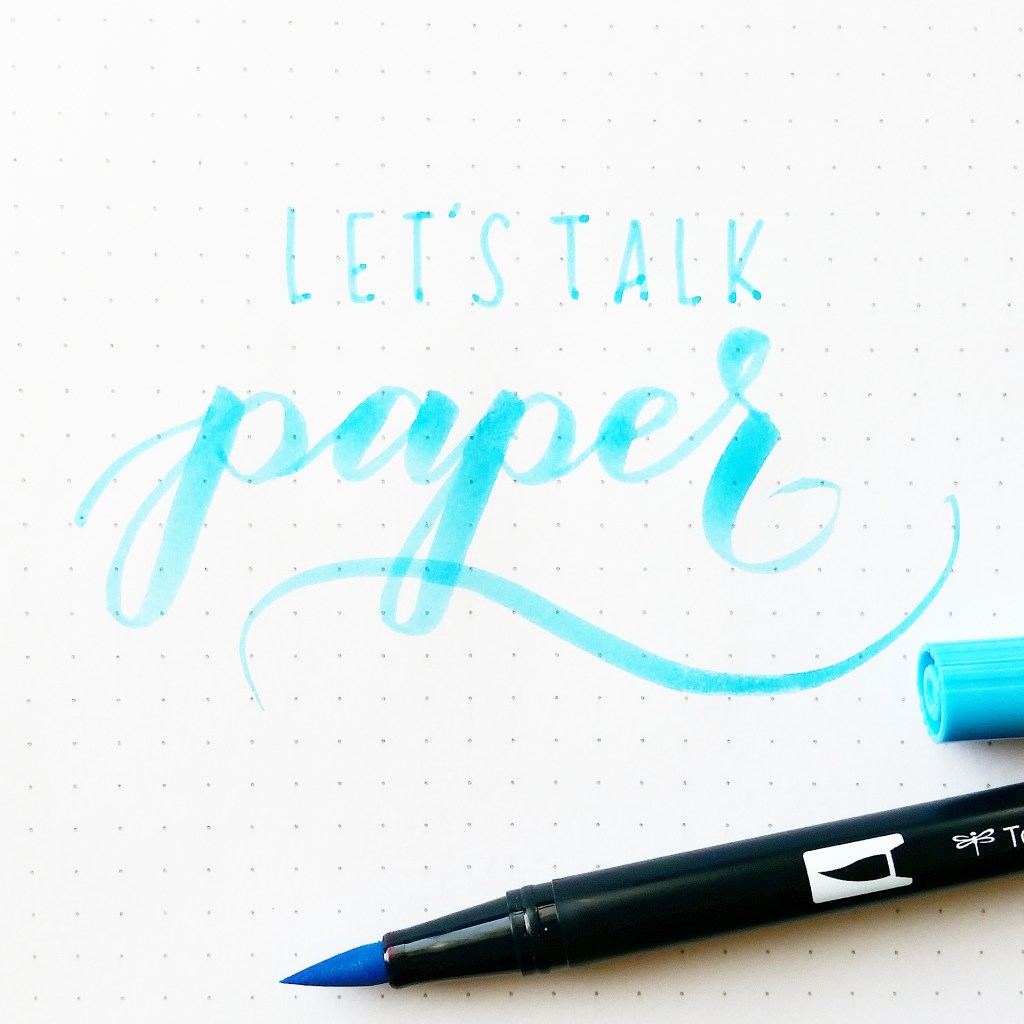
My favorite paper to use for brush calligraphy
What is the best paper to use for brush calligraphy? In this post, I discuss my favorite types of paper to use and include links for you to see the paper being used (“action” shots). When using brush pens, I find it best to use paper that is smooth and non-textured. Paper that is rough…
-
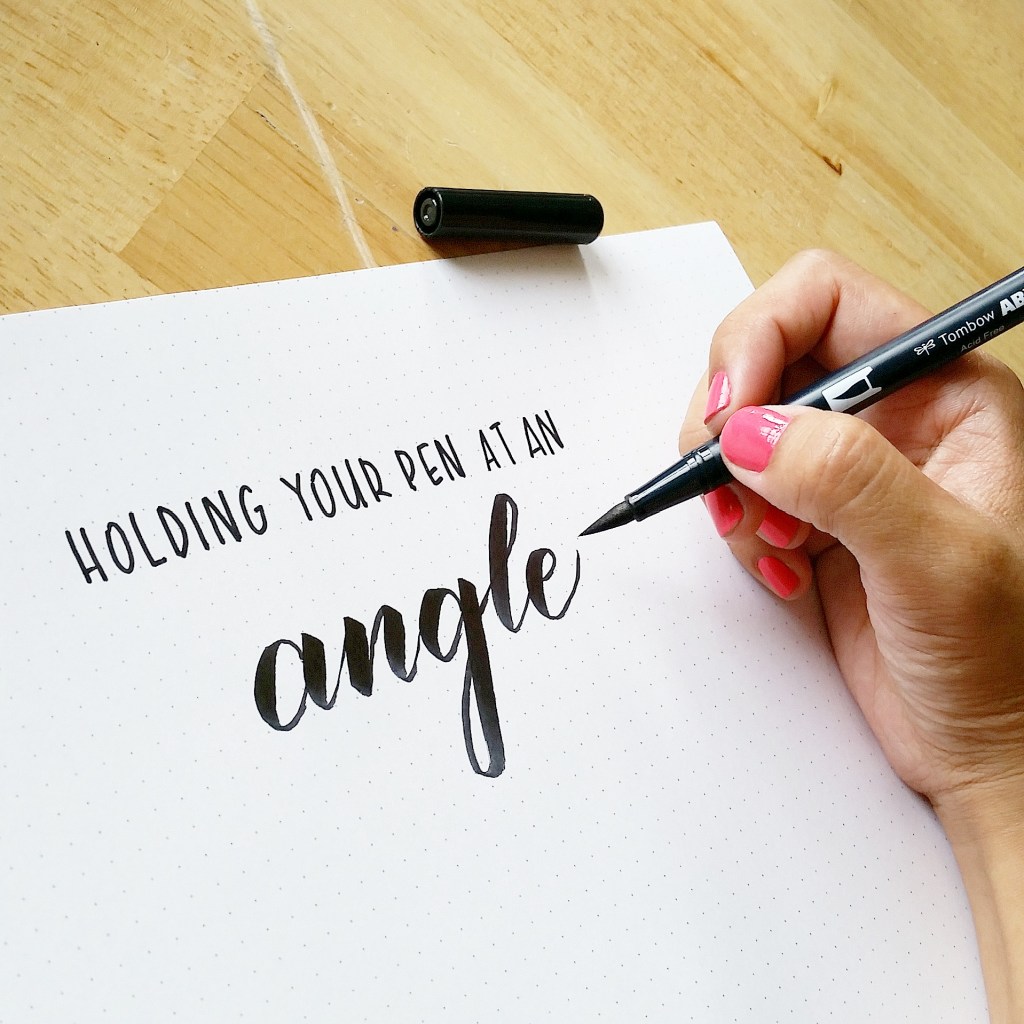
How to hold your brush pen at an angle
I’ve written about brush calligraphy being defined by its distinct thin and thick strokes. I’ve shared my favorite brush pens and how they work to create brush calligraphy. But some of you are still wondering, how does it really work? What is involved with this process of creating brush calligraphy? How do you get the words from pen to…
-
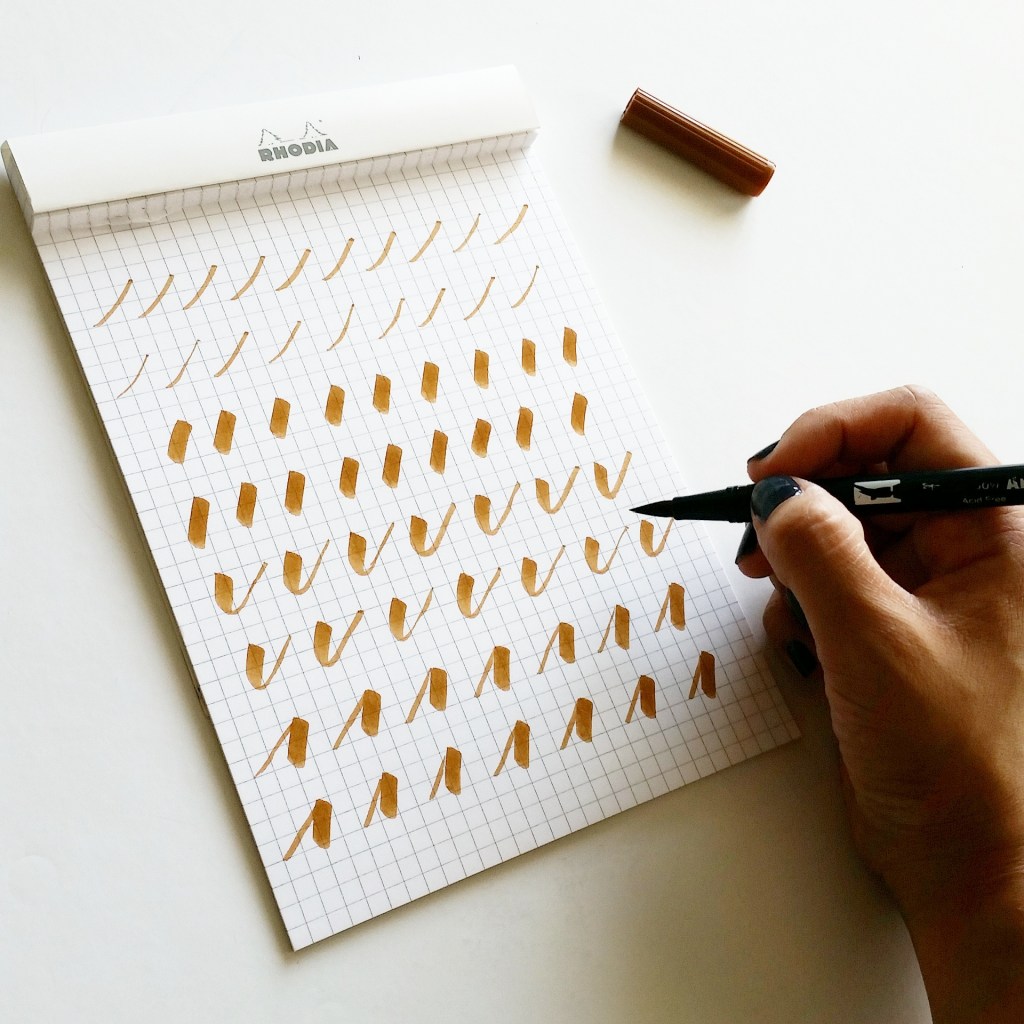
Tips for improving your brush calligraphy: Thin and thick stroke drills
I get it. You see calligraphy everywhere. There are amazing, talented artists and they seem to just write with ease. You wonder how on earth you will get there. Despite any artistic abilities, you must practice in order to improve. And not just any practice. But a deliberate practice. How can you deliberately practice? You can break…
-
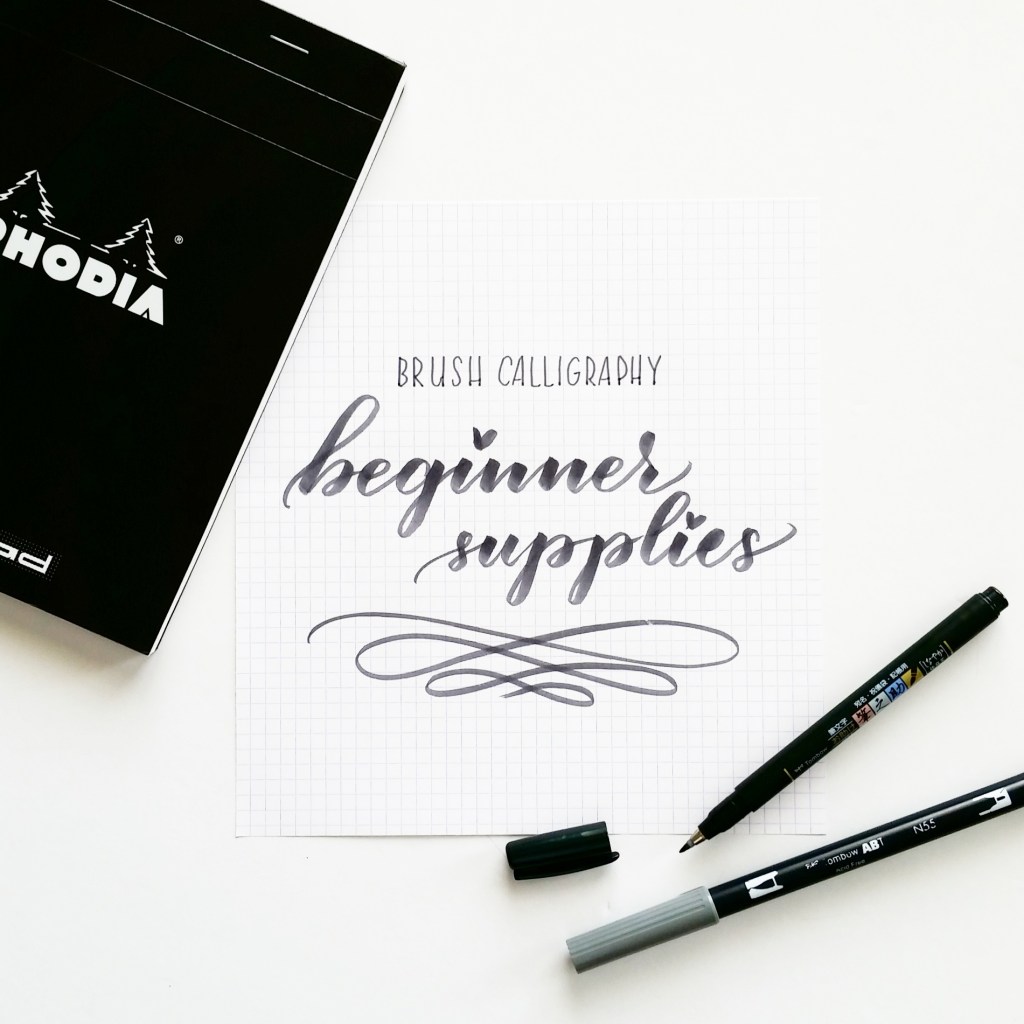
Beginner supplies for brush calligraphy
The number one question I am asked about brush calligraphy is: What supplies does a beginner need to get started? My answer: All you need to get started with brush calligraph is a brush pen and some paper. Really! That’s it. Yes, you can get more fancy and throw in some other supplies, such as rulers,…
-
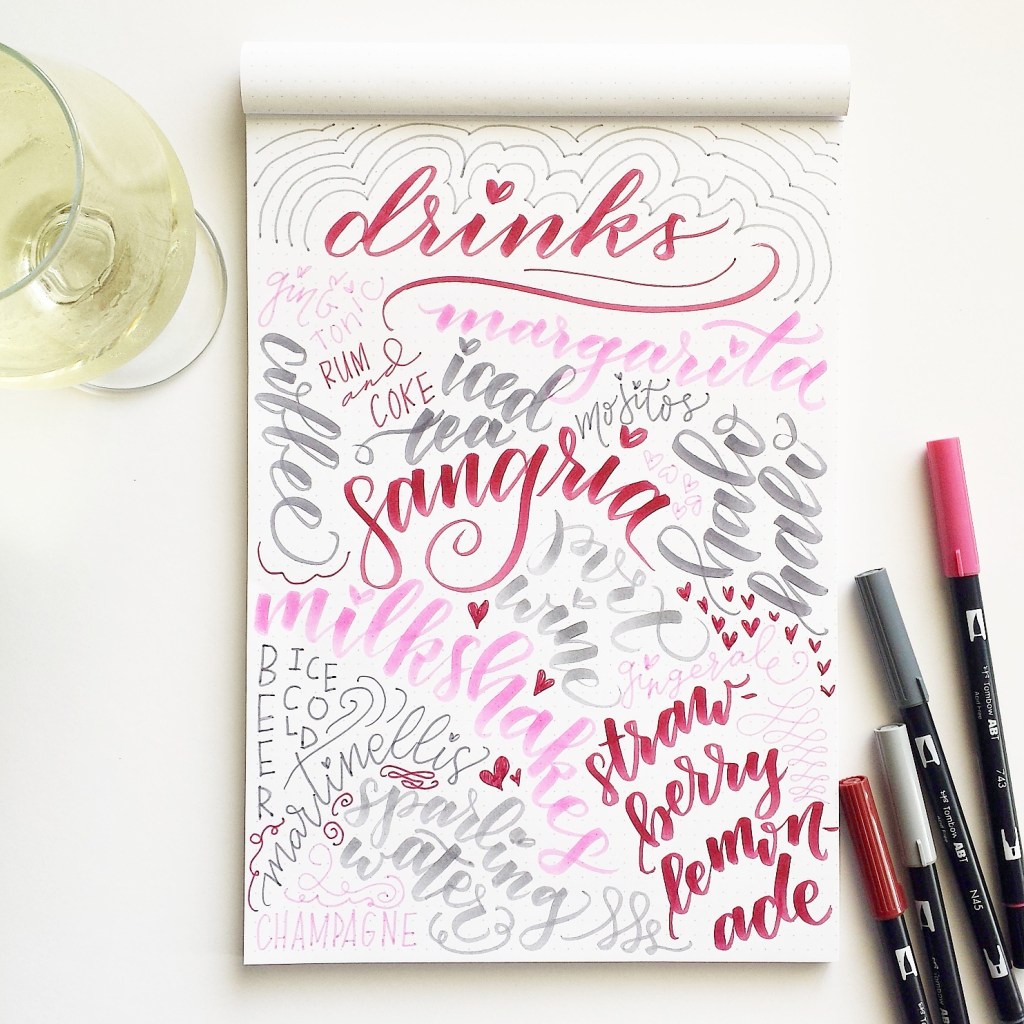
Take better photos of your calligraphy: Simple Instagram editing tips
A huge part of my calligraphy process is capturing and showcasing my work. When I first started my calligraphy journey, I was very shy and hesitant to post a photo, afraid of what others would think. I slowly put my work out there, and very soon discovered how generous and supportive the calligraphy community is! While it is ideal to…
-
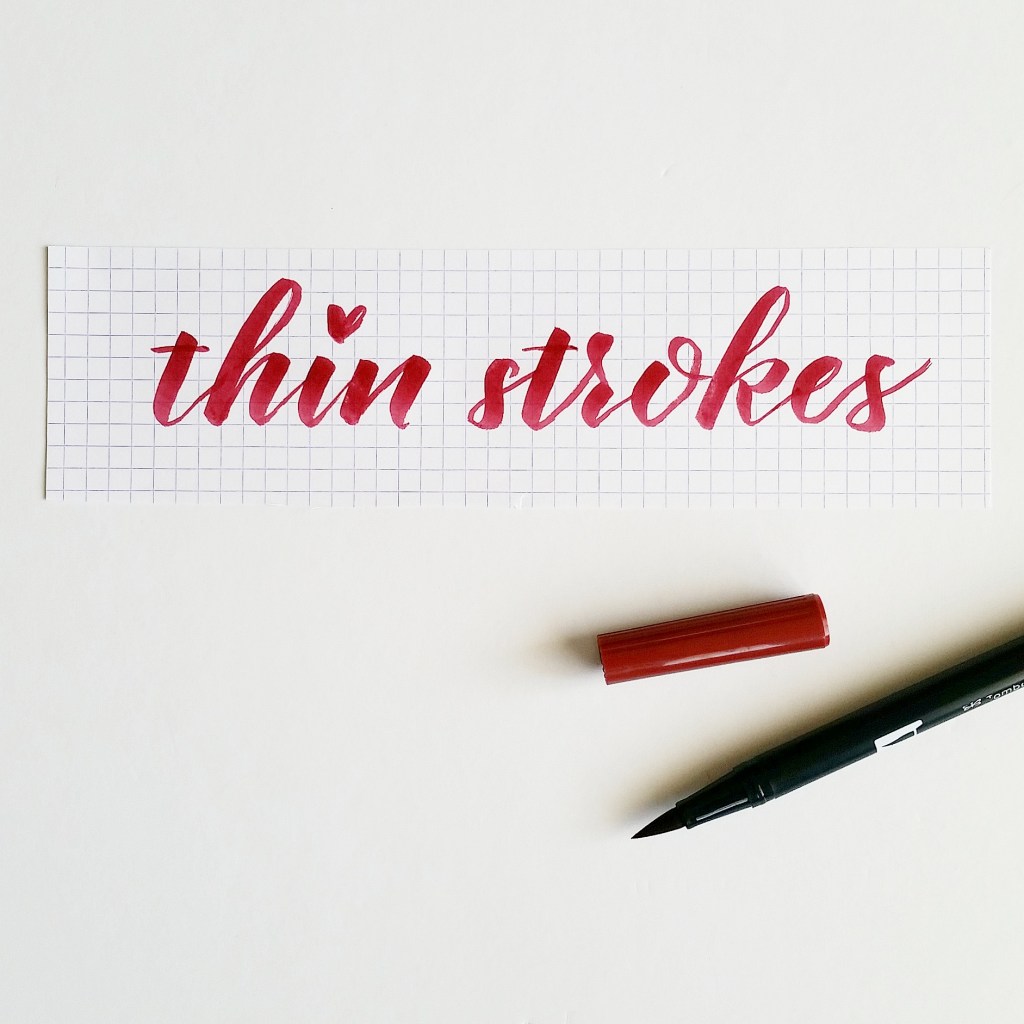
Make your brush calligraphy strokes thinner
Calligraphy is defined by its distinct thick and thin strokes. It can be a challenge achieving the proper variation in stroke thickness, especially when first learning any form of calligraphy and getting used to the required tools, hand and body positioning, and technique. When first learning brush calligraphy, you want to establish a solid foundation…
-
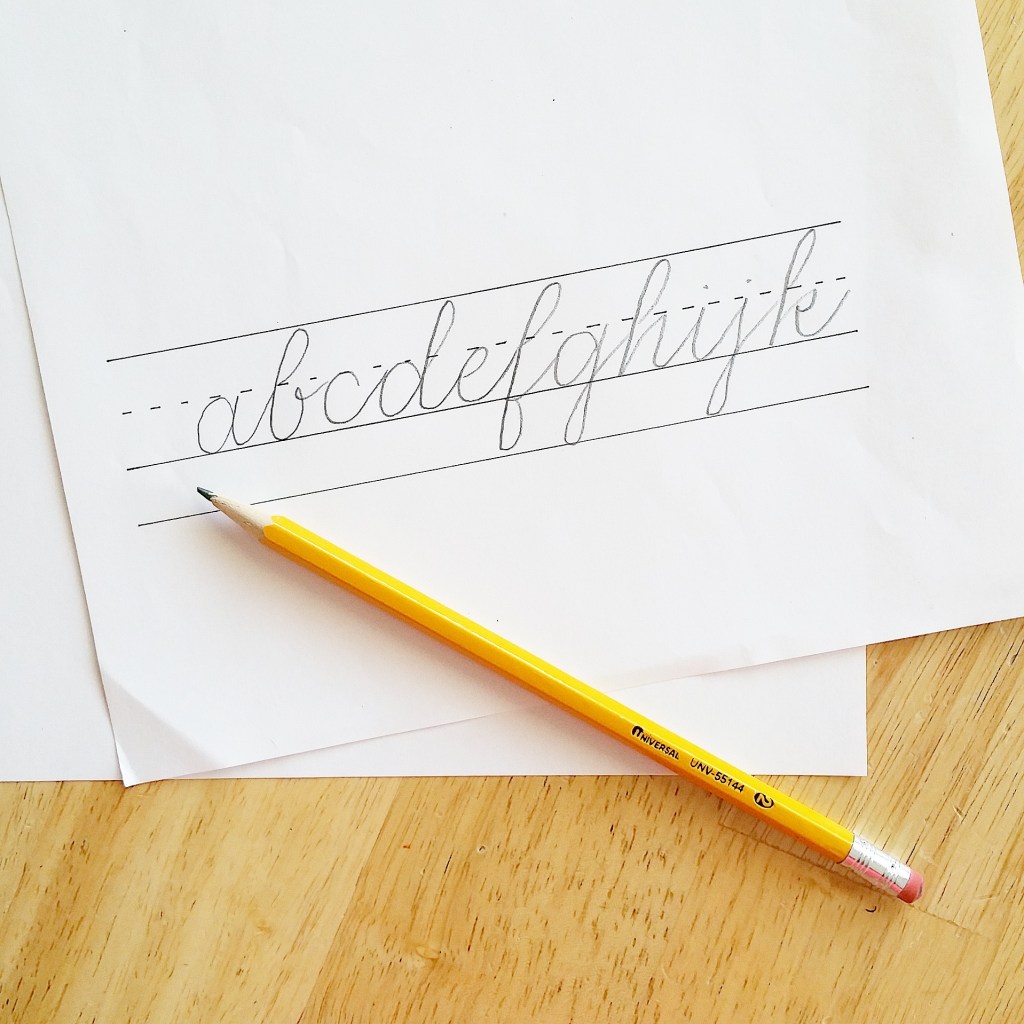
Start handlettering today and build your calligraphy foundation
The world of handlettering is vast and extends far to each corner of the world. It’s amazing, but can be a bit scary. There is a lot to learn and tons of content being produced every second, and you wonder if you could ever “catch up” or be as good as you hope to be. While…
-
A comparison of my favorite brush calligraphy pens
Not all brush pens are created equal. Yes, they allow you to write brush calligraphy. But they are all different in their own way. From the look and feel of the pen itself, the sharpness, flexibility, and stroke width of the tip, and even the shade and amount of ink that spills out – these differences contribute to…
-

How to hold the brush calligraphy pen
Maintaining control over your brush pen is crucial when first learning brush calligraphy. However, it can be a challenge figuring out how to best hold the pen, control your movement, and position your body, arms, and hands. The hardest part is finding what works best for you. Even after I share with you how I hold…
-
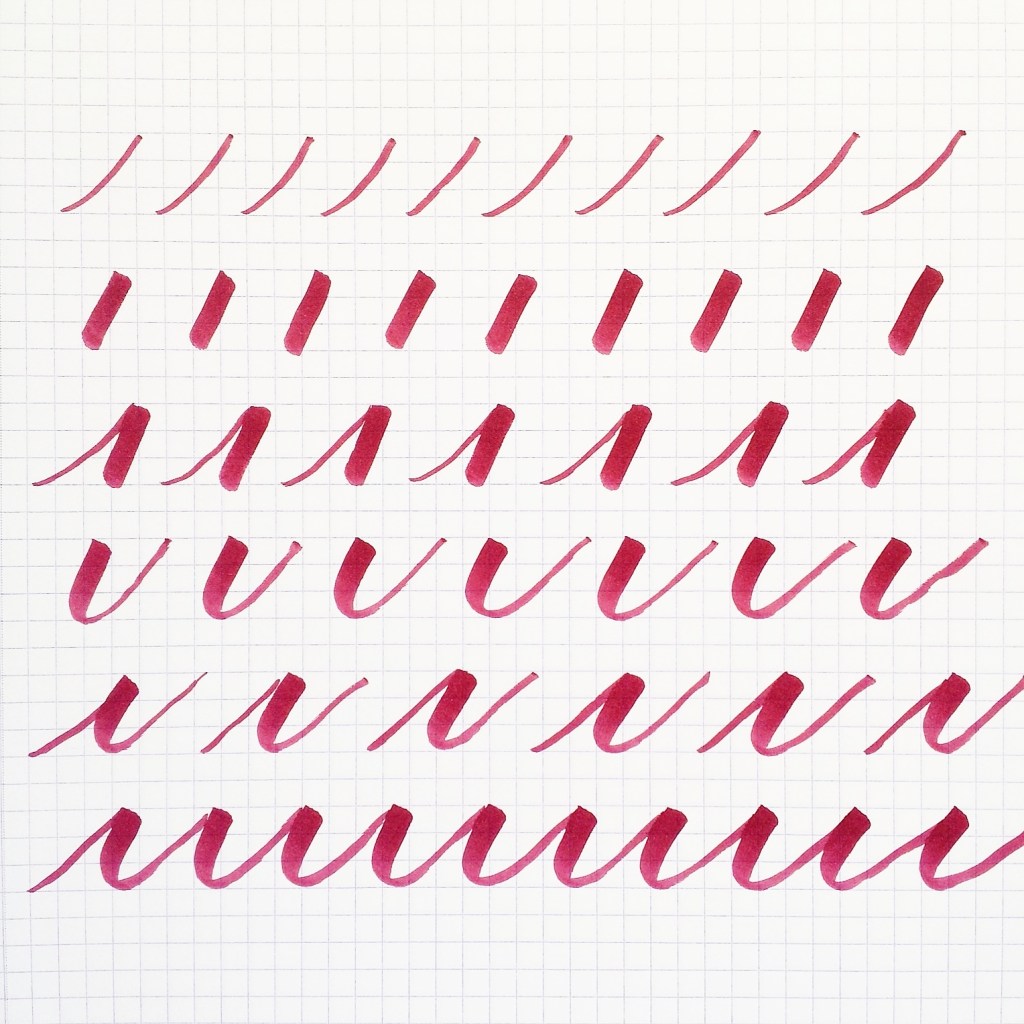
Improve your brush calligraphy by practicing thin and thick strokes
The variation of thick and thin strokes truly define calligraphy. It is important to practice these different strokes and understand how they connect to form each letter. This is advice I am sharing with you that I wish I could have embraced better when I first started. When I first started doing calligraphy, I wanted to hurry up…

